The rapid growth of electric vehicles and energy storage systems is creating an urgent need for sustainable battery recycling solutions. One of the emerging companies addressing this challenge is cylib, a German battery recycling startup that recently secured significant funding to accelerate the industrialization of its technology and expand recycling capacity in Europe.
Founded in 2022 as a spin-off from RWTH Aachen University, cylib focuses on advanced lithium-ion battery recycling using innovative hydrometallurgical processes. The company has raised €55 million in Series A funding, backed by investors including Porsche Ventures, Bosch Ventures, World Fund, and DeepTech & Climate Fonds. The investment is one of the largest funding rounds ever raised by a European battery recycling startup and highlights growing investor confidence in circular battery technologies.
The company is using this funding to develop a large industrial recycling facility at CHEMPARK Dormagen in Germany, which is expected to become one of Europe’s largest end-to-end lithium-ion battery recycling plants. The facility will initially recycle around 30,000 tonnes of end-of-life batteries per year, supplying recovered materials back to the battery manufacturing industry and supporting the European EV supply chain.
Beyond private investment, cylib has also secured €26.1 million in European Union funding and an additional €63.4 million grant from the German government to expand its industrial operations. These funds will support the development of dedicated recycling capacity for different battery chemistries, including LFP (Lithium Iron Phosphate) batteries, which currently lack large-scale recycling infrastructure in Europe.
Hydrometallurgical Innovation Behind cylib’s Technology
A key differentiator of cylib’s approach is its water-based hydrometallurgical recycling process, known as the OLiC process. Unlike traditional high-temperature pyrometallurgical routes, this process enables efficient recovery of valuable battery materials including lithium, graphite, nickel, cobalt, and manganese with high recovery rates.
The technology reportedly achieves over 90% recovery efficiency while reducing the carbon footprint of battery material production by up to 80% compared to primary mining. This makes hydrometallurgical recycling a crucial pathway for building a closed-loop battery value chain and reducing reliance on imported critical raw materials.
Why Battery Recycling Investment Is Growing
The increasing demand for lithium-ion batteries is expected to drive massive growth in battery recycling infrastructure worldwide. Europe in particular is working to strengthen its domestic critical raw materials supply chain, as many battery metals are currently sourced from outside the region.
Startups like cylib are therefore becoming central players in the emerging battery circular economy, transforming end-of-life batteries and manufacturing scrap into new battery-grade materials.
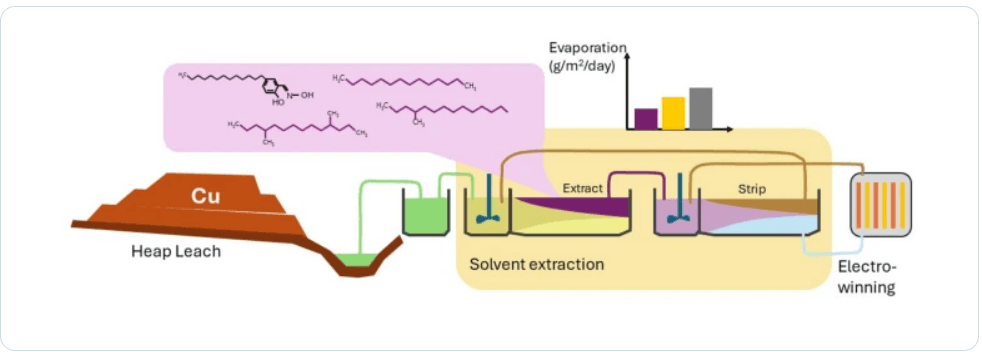
As EV adoption accelerates globally, technologies based on hydrometallurgy, advanced solvent extraction, and sustainable metal recovery are expected to play a major role in securing the future supply of lithium, nickel, cobalt, and other critical metals.
Sources
- RWTH Innovation – Cylib raises €55M Series A funding
- CNBC – Porsche-backed Cylib builds major EV battery recycling plant
- cylib newsroom – €26.1M EU funding for recycling facility
- cylib newsroom – €63.4M grant for LFP battery recycling expansion